
Sound design
A sound designer is like a painter who uses audio instead of colors. They do not just capture what is there. They create what is missing.
If a scene needs a scary atmosphere, the designer might stretch a recording of a cello until it sounds like a ghost. If a song needs a unique bassline, they might build it from scratch using a synthesizer. The goal is always to evoke an emotion or support a story.
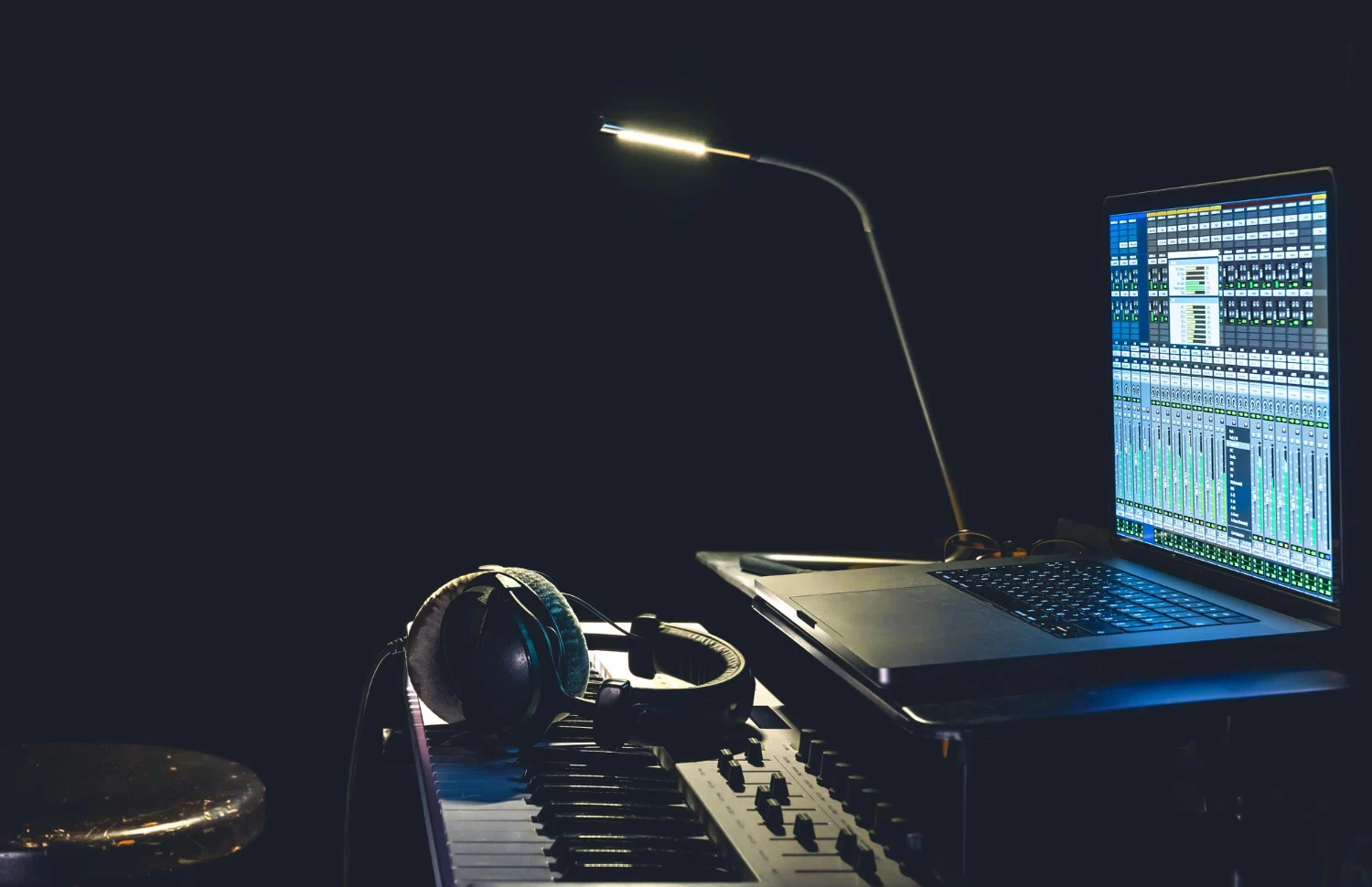
Core Techniques You Should Know
You do not need a studio full of expensive gear to start. Most sound design relies on a few key methods.
Synthesis
This is the process of creating sound electronically from silence. You use an instrument called a synthesizer. You start with a simple tone, like a beep or a buzz, and shape it. You can change its pitch, tone, and duration to make it sound like a trumpet, a drum, or something completely alien.
Sampling
Sampling involves taking a piece of existing audio and repurposing it. You might record the sound of rain hitting a window. Then, you can slow it down, chop it up, and turn it into a rhythmic texture for a song. It is a fantastic way to bring organic, real-world elements into your music.
Effects Processing
This is where you polish the sound. You can add echo to make a sound feel distant. You can add distortion to make it aggressive. Effects help place the sound in a specific space or mood.
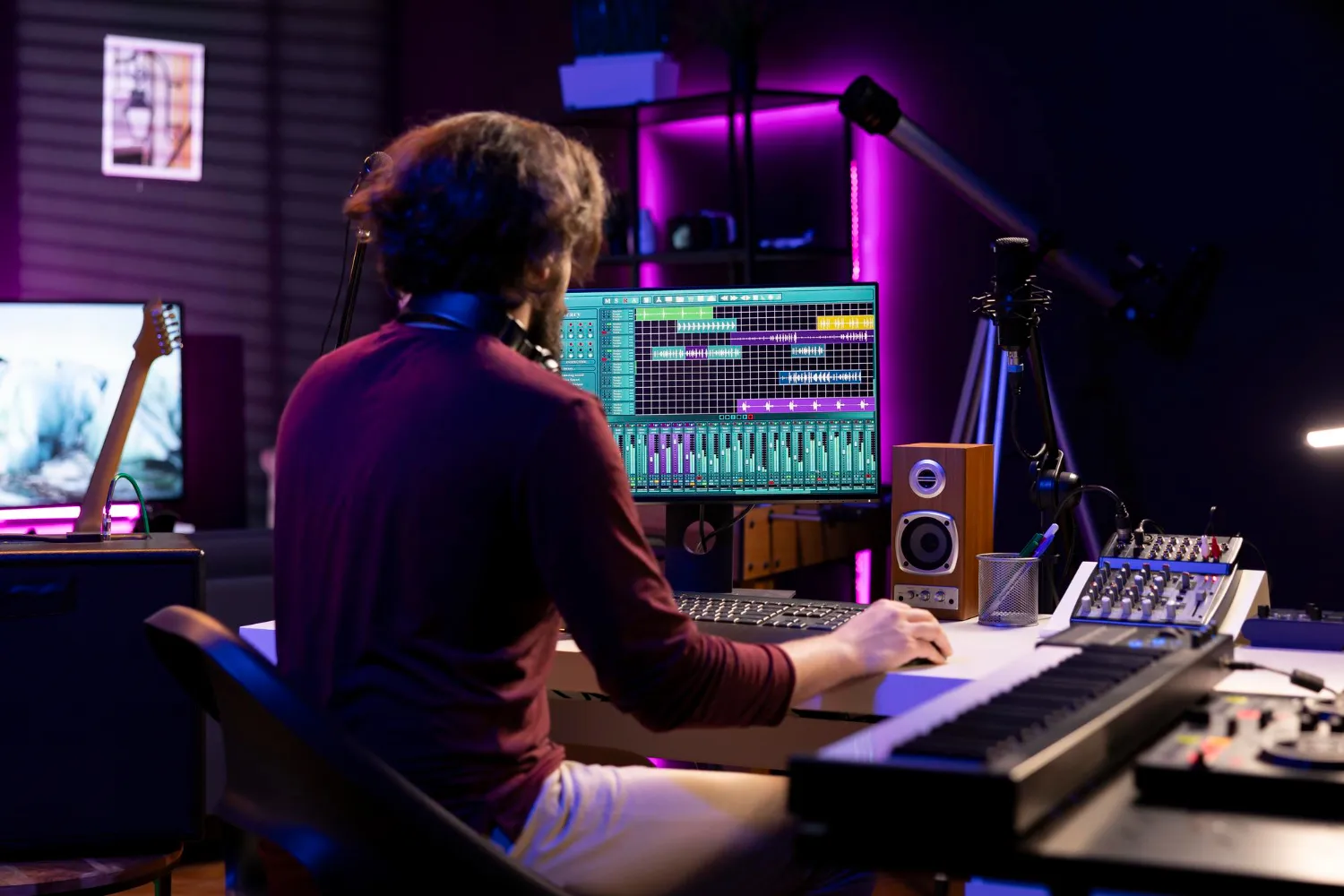
Where Is Sound Design Used?
It is everywhere. Once you start noticing it, you cannot stop.
- Films and TV: Every footstep, door slam, and explosion is often added later by a designer.
- Video Games: Designers create interactive audio that changes based on what the player does.
- Music Production: Electronic musicians use design to create signature sounds that no one else has.
- User Interfaces: The satisfying click when you type on your phone was carefully designed to feel good.

Why You Should Learn It
Learning sound design frees you from presets. You stop relying on the same sounds everyone else uses. You start defining your own sonic identity. It encourages you to listen to the world differently. You might hear a train passing by and think about how to turn that rumble into a bass drop.
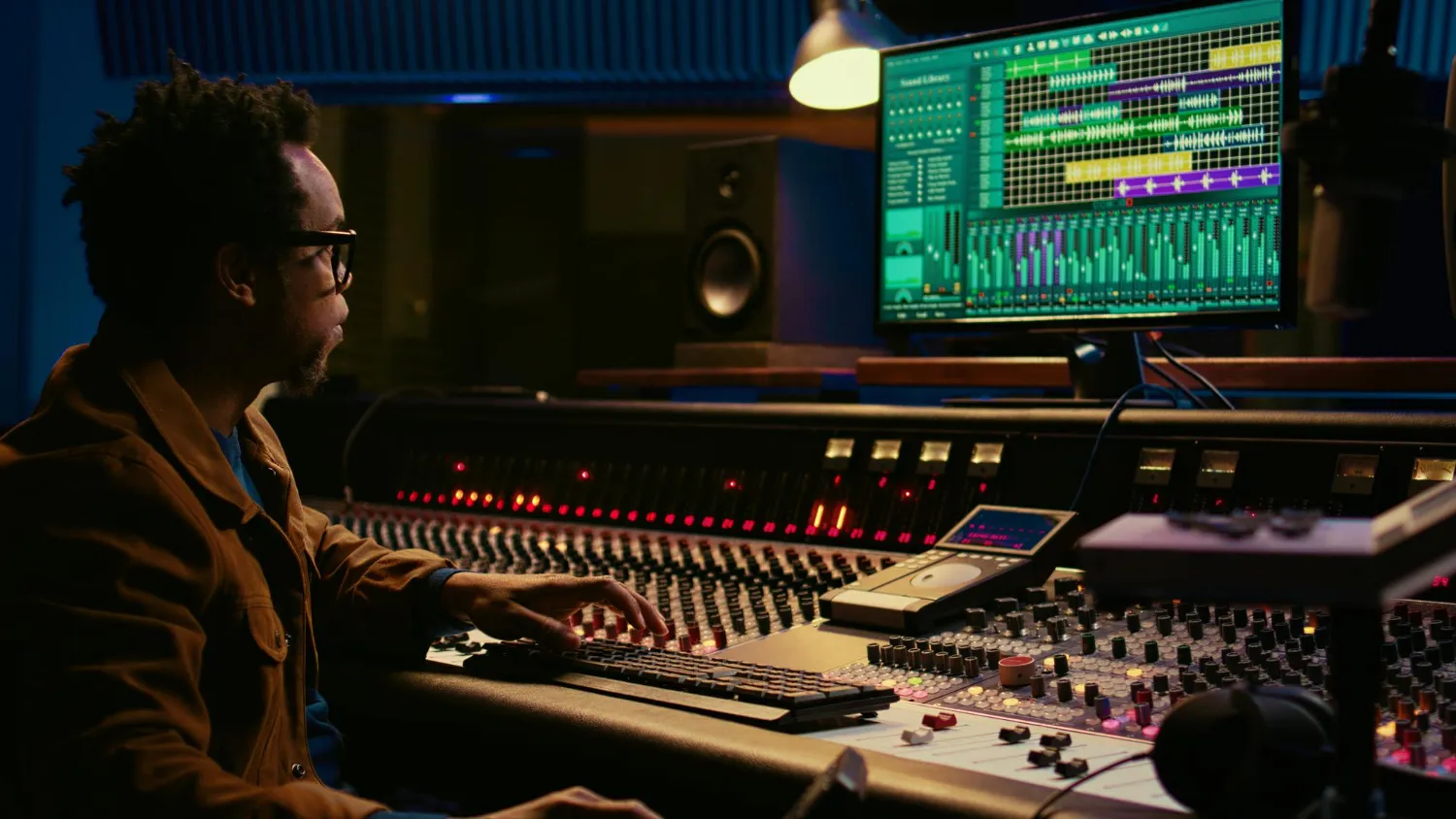
Key Takeaway
Sound design is the ultimate playground for your ears. It combines technical skills with pure imagination. You do not have to be a pro to experiment. Start recording sounds around your house or playing with a free synthesizer. You will be amazed at what you can create. These platforms that do my math homework WritePaper focus on producing academic content that is precise, well-edited, and appropriate for evaluation.
Ready to Dig Deeper?
Now that you understand the creative side, you might wonder about the technical side. Check out our guide on the sound engineer to see how these two worlds connect.
Producing clear and well-structured papers takes practice. Find mba experts for your essay connects students with writing support that fits academic standards.