
Sound engineer
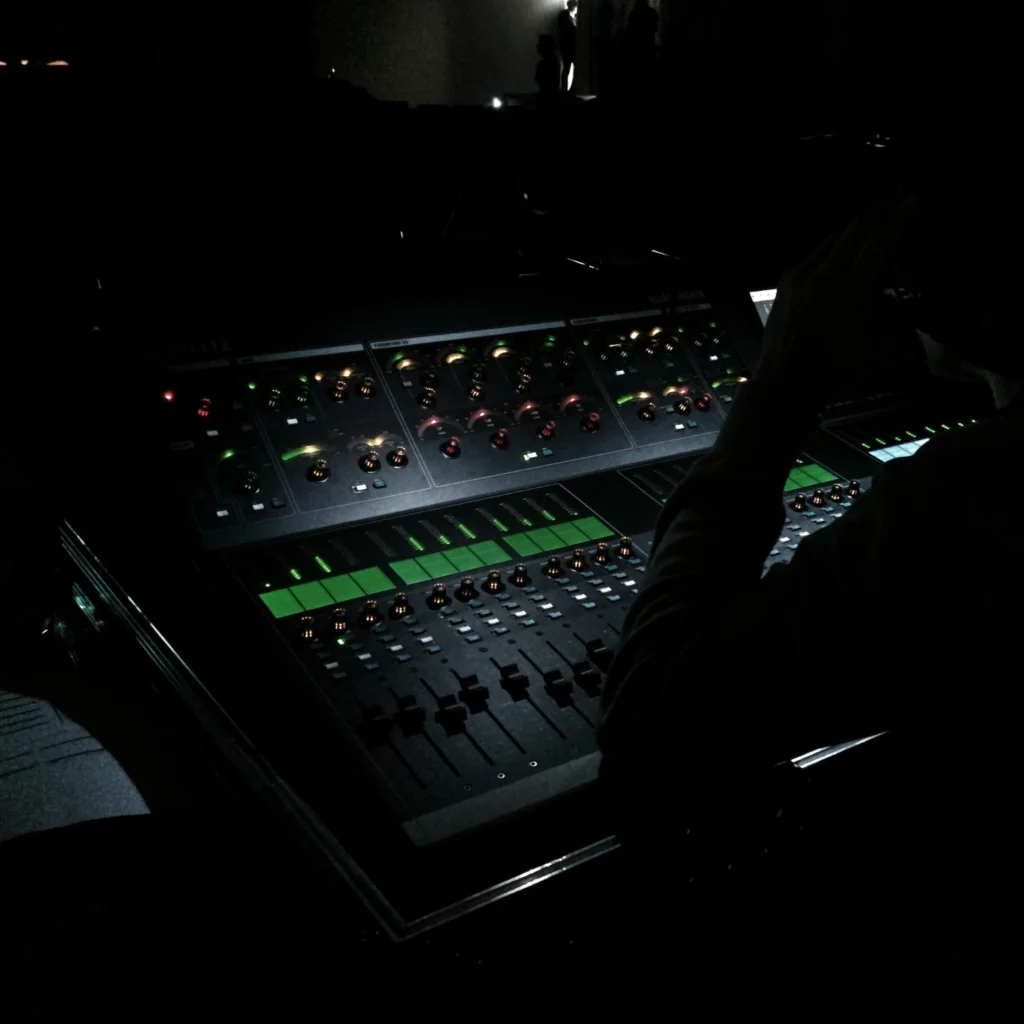
When you listen to a legendary album, you naturally focus on the singer or the guitarist. But there is another crucial player involved. They usually sit behind a large desk full of buttons. This person is the sound engineer. Without them, even the best band can sound messy and weak.
At SonicLab, we respect the engineering process as much as the music itself. Whether you want to work in a studio or just record your own demos, knowing what an engineer does is the first step toward professional results.
Bridging Art and Technology
A sound engineer is responsible for the technical quality of a recording. They choose the right microphones. They place them in the right spots. They ensure the signal is clean and loud enough without being distorted.
It requires a unique set of skills. You need the ears of a musician to understand the emotion of the song. But you also need the brain of a scientist to understand acoustics and signal flow.
The Different Types of Engineers
The term sound engineer is actually quite broad. In the professional world, the job is often split into specific roles.
Recording Engineer
This is the person who captures the performance. Their main goal is fidelity. They make sure the drums sound punchy and the vocals sound clear right from the source. They deal with microphone placement and room acoustics. If the recording engineer does a great job, the mixing process becomes much easier.


Mixing Engineer
Once the tracks are recorded, the mixing engineer takes over. They balance the levels. They decide how loud the bass should be compared to the kick drum. They use tools like EQ and compression to make everything fit together. Their goal is to create a cohesive song where every element has its own space.
Mastering Engineer
This is the final step before a song is released. The mastering engineer takes the mixed track and adds the final polish. They ensure the volume matches industry standards. They make sure the song sounds good on everything from expensive speakers to cheap phone earbuds.


Live Sound Engineer
Not all engineers work in studios. Live sound engineers work at concerts and festivals. Their job is high-pressure because there are no second takes. They have to mix the band in real-time and fix problems instantly to keep the crowd happy.
Why Engineering is Vital
You cannot fix a bad recording just by turning up the volume. A skilled engineer knows how to bring out the best in a performance. They know when to apply effects and, more importantly, when to leave the sound alone. They are the invisible safety net for the artist.
Key Takeaway
Being a sound engineer is about service to the music. It is a technical job with a creative heart. It requires patience, technical knowledge, and a deep love for sound. Tight schedules can make writing stressful for students. https://domyessay.com/swot-analysis-assignment-help SWOT analysis assignment help provides a practical way to manage written coursework.
Improve Your Own Sound
Improve Your Own Sound